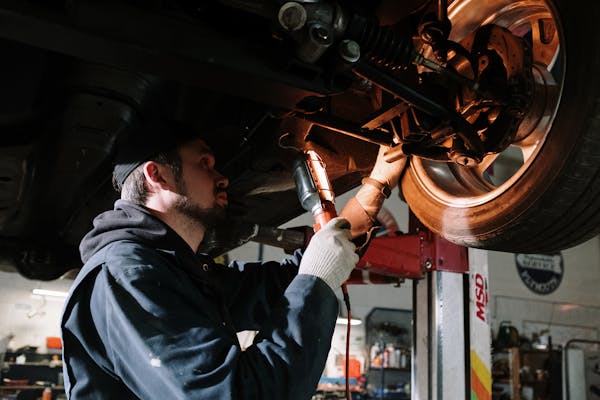
In the not-so-distant past, cars were makers you can understand just by standing out the hood. Mechanical systems ruled the day, and taking care of issues commonly implied turning a wrench or replacing a physical part. However a new period is right here-- one where vehicles are ending up being more like computers on wheels. Software-defined cars are changing exactly how we drive, exactly how we identify issues, and most notably, how we preserve them.
From Hardware to Software: What's Really Changing?
The term "software-defined cars and truck" may sound advanced, but possibilities are you've already seen one in action. These vehicles count heavily on integrated software systems to handle whatever from amusement to steering. As opposed to isolated electronic control systems managing tasks individually, software-defined cars and trucks use streamlined calculating to manage the lorry holistically. That shift brings huge convenience, but likewise new duties for proprietors and technicians.
Unlike traditional automobiles, where deterioration is very easy to find and detect, software-defined vehicles commonly store performance information, mistake codes, and system wellness records deep within interior electronic systems. This implies diagnostics now require specialized devices and software program expertise. A mechanic can not count only on noise, scent, or resonance-- they also require to check out the data.
Regular Maintenance Is No Longer Just Routine
Typical maintenance, like tire turnings and liquid substitutes, continues to be crucial, but the way those demands are recognized and resolved has actually moved. In software-defined vehicles, also fundamental pointers-- such as when it's time for an oil change in Longmont chauffeurs can rely on-- are generated by formulas examining driving behaviors, mileage, and system performance. It's no longer around hitting a set mileage. It's concerning what the cars and truck recognizes regarding you.
This change isn't just cosmetic. For instance, tire stress isn't examined by eye-- it's checked regularly by sensing units that alert you only when something is really wrong. That's practical, but it also implies you're even more reliant on the auto's software functioning correctly to maintain you safe and notified.
Identifying Problems in a Digital World
In the period of software-defined lorries, diagnosis has handled a whole brand-new definition. Gone are the days of simply inspecting belts or filters. Currently, when a caution light begins, it can point to a software pest, a stopped working upgrade, and even a damaged sensor analysis-- problems that do not constantly require parts, however instead spots.
This shift suggests that fixing lorries increasingly relies on downloading the most recent software, understanding version compatibility, and potentially also working together with designers from another location. It's an unlike exchanging ignition system in your garage. Mechanics are ending up being part technician, part programmer.
Updates Over the Air-- and Under the Radar
Among one of the most revolutionary changes brought by software-defined cars is the idea of over-the-air updates. These updates can tweak engine performance, add safety and security attributes, or take care of insects, much like a mobile phone. What as soon as called for a journey to a store currently takes place silently while your vehicle beings in the driveway.
Yet this comfort has trade-offs. Owners have to stay alert to update notifications, equally as they would for a phone or computer. Ignoring them can bring about concerns later on, particularly when performance, safety and security, or connectivity is at risk.
Still, this type of aggressive upkeep represents an amazing advance. Visualize renovations that turn out immediately, keeping your car much safer and smarter without a wrench ever before being lifted.
The Technician's Role Is Evolving Fast
With automobiles becoming a lot more electronic, the job of the specialist is advancing equally as swiftly. Today's mechanic isn't just someone that knows engines inside and out-- they also recognize code, computer system systems, and software reasoning. They need to be comfortable identifying both physical and virtual issues.
This advancement is wonderful information for chauffeurs since it implies a lot more specific repair work and less experimental solutions. If your positioning feels off, a specialist can now use both physical calibration tools and digital diagnostics to ensure your Longmont wheel alignment is spot-on, perhaps catching early warning signs that would've been missed out on in the past.
What Breakdowns Look Like in a Software-First World
Even the idea of an auto break down is altering. Yes, tires still strike and batteries die-- however in most cases, the car can find a failure before it takes place. A vehicle could warn you that your alternator is damaging, giving you time to schedule solution rather than winding up stranded on the side of the highway.
That claimed, no system is best. Vehicles still experience concerns that need typical aid. For instance, if your vehicle loses power in the middle of a snowy evening or your software program upgrade goes awry, having accessibility to trustworthy Longmont towing is still essential. Regardless of just how innovative automobiles end up being, some issues will certainly constantly need a human touch-- and a tow truck.
Ownership Responsibility in a Digital Age
With great tech comes fantastic obligation. Software-defined vehicles offer effective brand-new capacities, but they additionally demand that owners remain informed. Routine system checks, update setups, and digital diagnostics are all part of keeping your auto in top form.
That indicates making upkeep a consistent practice. It likewise indicates partnering with solution professionals who comprehend the nuances of both best site machinery and technology. You would not disregard a safety and security upgrade on your phone-- your automobile is worthy of the exact same level of focus.
The Future of Car Care Is Here
Software-defined automobiles are here to remain. They use more security, far better performance, and smarter diagnostics-- yet they also increase the bar for maintenance. Whether it's syncing up your most current system updates, inspecting sensor comments, or scheduling your next oil change in Longmont, motorists rely on it, and it's important to recognize the electronic side of your auto.
Upkeep may no more revolve around an oily tool kit, but the principles stay the same: awareness, uniformity, and skilled support. The best point vehicle drivers can do in this brand-new age is stay notified, stay curious, and collaborate with pros who understand the hybrid globe of hardware and software.
To stay ahead of the contour and maintain your auto running smoothly, make certain to check back below for even more insights into the ever-changing globe of auto care.